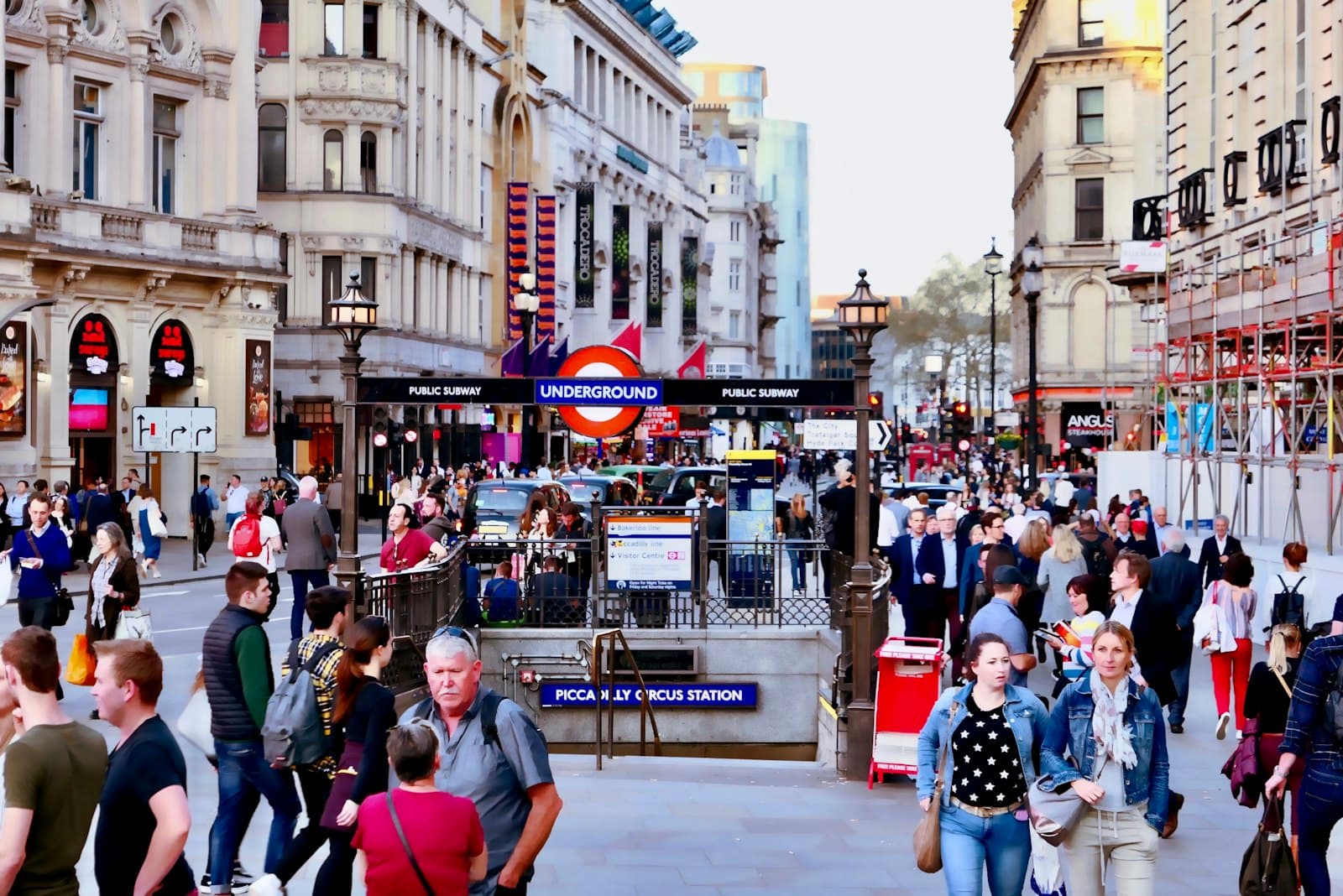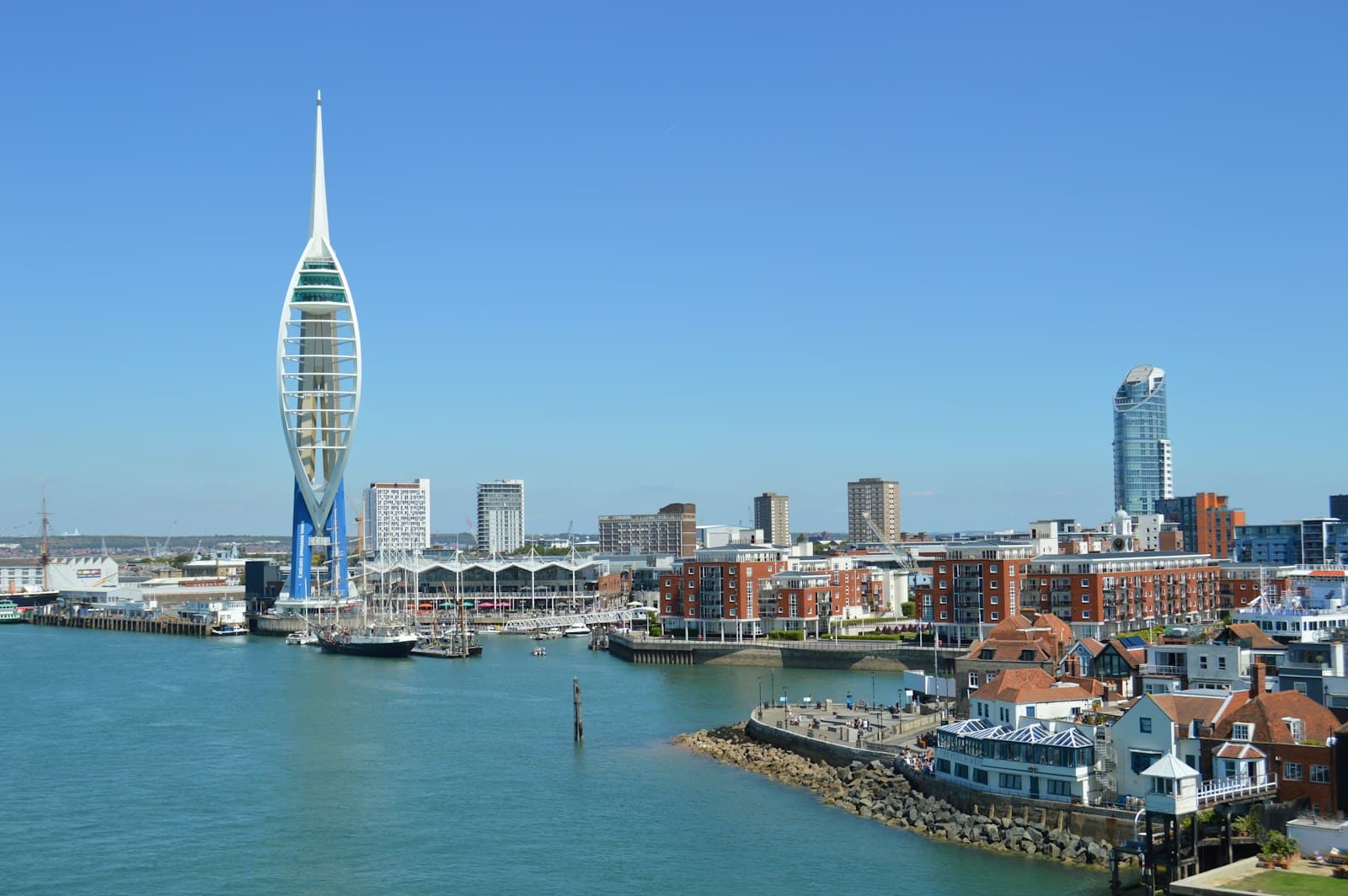
Hampshire was the first region on Business Event Stack, and it has its own public website: hampshire.events. It looks nothing like the app. It has its own design, its own photography and its own way of organising the county, area by area and town by town. Yet every event, venue and organiser on it comes from Business Event Stack, and nobody copies anything across by hand.
It is the clearest example of the idea behind the whole system: put the information into Studio once, and it shows everywhere.
Organisers and venues only update Studio
A networking group adds its next breakfast in Studio. A hotel updates its parking notes. A chamber moves an event's start time. That is the only place any of them make the change.
From there it appears on the region's app, on hampshire.events, on any partner website showing the region's listings, and in the calendars of people who subscribe. Nobody has to email the website team or remember to update a second site.
A page for everything
hampshire.events has its own page for every upcoming event, every venue, every organiser, every town and every area, each written so search engines can find it. Venue pages carry the full arrival guide from Studio: the right entrance, parking and time limits, the nearest stations and bus stops, step-free access and facilities, shown in the website's own design.
On 22 October 2026 its homepage showed 406 dates coming up, 263 venues, 92 organisers and 41 towns, all kept up to date from Studio.
The live parts
Two parts of the site are live, straight from the system:
- A search box on the homepage that searches the region's events, venues and organisers, with suggestions as you type.
- An events map on the What's on page, with the map beside the list. Move the map and the list follows; search, categories and Near me all work.
Both are styled to match the website, so they look like part of it, and clicking an event or venue opens hampshire.events' own page for it.
One brand, from website to booking
The region has told the app about its website. So someone who lands on the app's public events, venues or organisers pages is passed to the matching page on hampshire.events, search and all.
Booking still happens in the app, because that is where tickets, waitlists and check-in live. An event booked in the app keeps its page there; the logo on the sign-in screen links back to hampshire.events, and the sign-in screen and app icon use the website's own film and tile. Someone moving between the two sees one brand.
Why do it this way
- One place to update. Organisers and venues keep their listings right in Studio, and everything else follows.
- Freedom of design. The website can look however the region wants.
- Found in search. Every venue and event has its own proper page.
- The app does the hard parts. Bookings, tickets, waitlists, approvals, check-in and accounts stay in the system built for them.
Doing the same
Any region on the system can run its own website like this. Organisers and venues can do a smaller version on their own sites, whether they use WordPress, Squarespace, Wix, Webflow or something else: see putting your events on your own website and the integrations page. This website is built the same way: the events, venues and organisers pages all come from Studio.