Most event pages spend a paragraph on the speaker and one line on the address. For someone who has never been to the venue, the address is where the questions start. Where do I park? For how long? Is there a station nearby? Which of the three doors is the right one? Can I get in without steps?
When those answers are missing, some people work it out, some arrive late and flustered, and some quietly decide not to come. Good arrival information is one of the cheapest ways to get more of the people who booked through the door.
What guests want to know
Think about the journey in order.
Getting there. The nearest railway station and how long the walk takes in practice. Useful bus routes and the stop to get off at. Somewhere to leave a bike. A drop-off point for taxis.
Parking. Whether there is parking on site or nearby, how many spaces, the cost and how to pay, and above all the maximum stay. A two-hour limit and a three-hour event is a parking ticket waiting to happen. If there are electric vehicle chargers, say so. If spaces can be pre-booked, link to it.
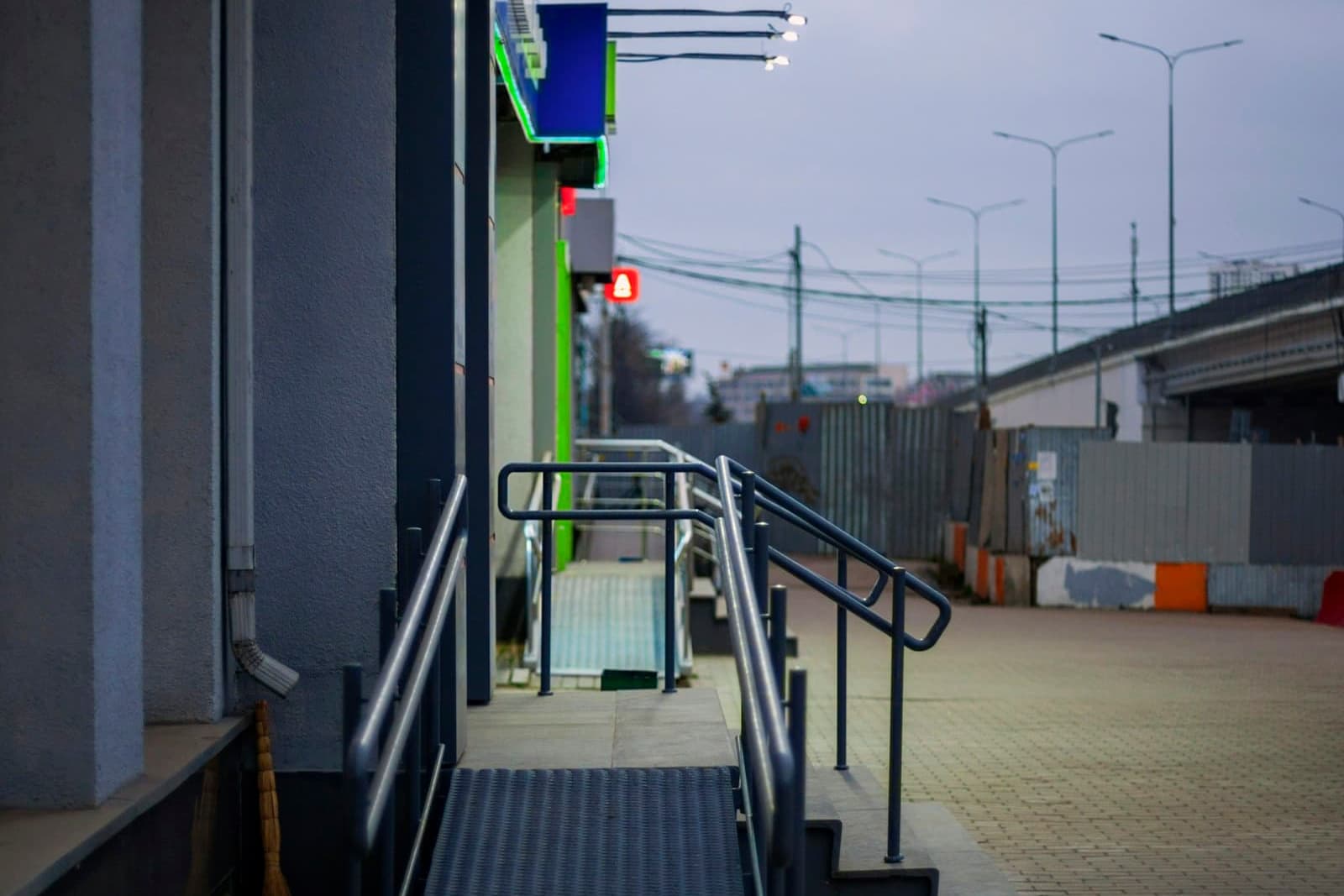
Finding the door. A photo of the actual entrance does more than any description. Add a line such as "main entrance on the side street, not the front" and a map pin on the door itself, not the middle of the building.
Getting in. Whether to sign in at reception, which floor, whether there is a lift, and what to do if the door is locked.
Inside. Toilets, accessible toilets, a hearing loop, food and drink, cloakroom, wifi, somewhere to charge a phone.
Accessibility is information first
The Equality Act 2010 places a duty on service providers to make reasonable adjustments for disabled people; GOV.UK has guidance on the Act. What counts as reasonable depends on the circumstances, and an organiser and a venue may each have their own duties, so take advice if you are unsure.
Whatever the adjustments, accurate information comes first. Someone who uses a wheelchair, has a hidden disability or is anxious about new places needs to know what to expect before they decide to come. Be specific: "step-free from the car park entrance; the main entrance has three steps" is far more useful than a wheelchair symbol. Give a named contact for questions, and ask on the booking form if anyone needs anything.
Keep it current, and say how current it is
Car park charges change, entrances move during building work, a lift goes out of service. Arrival details should record when they were last checked and where they came from, and the page should say so. "Checked 14 October 2026 with the venue" earns more trust than a confident paragraph that might be three years old. If the details came from public sources and the venue hasn't confirmed them yet, say that too.
How Business Event Stack handles it
On the system, a venue's page is built as an arrival guide. It holds:
- an entrance photo with its label, and a pin on the door that Directions take you to;
- every station, bus stop, car park, bike rack and drop-off point that serves the venue, each on the map with its walk time, and each car park's cost, spaces, opening hours, EV charging and time limit;
- how to get in, facilities, step-free access and other access notes;
- when the details were checked, where they came from, and whether the venue has confirmed them.
Every event held at the venue carries the same details on its page, and if an event runs longer than a nearby car park allows, the event page says so. The venue's own team keeps it up to date from Studio.
You can see the format on any venue in the venues directory.